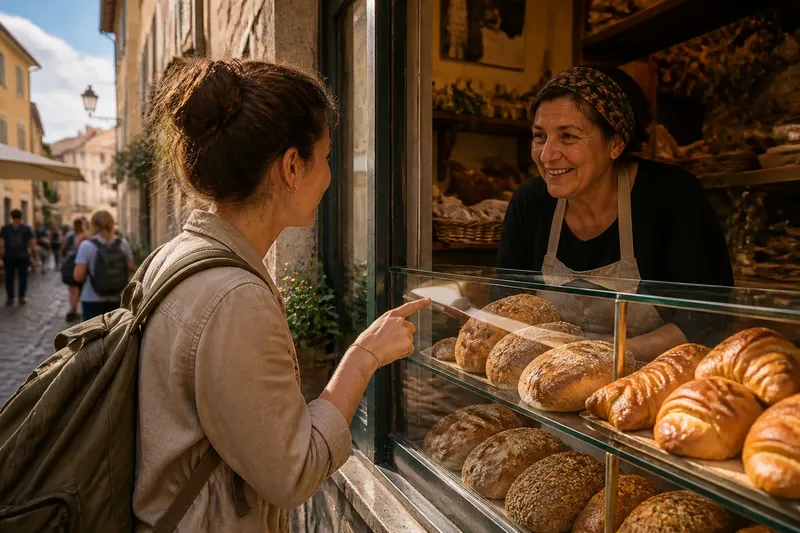
A Museum Ticket or an Open Afternoon? Two Ways to Follow Curiosity
Choose a museum ticket or open afternoon by matching your curiosity to your appetite for certainty, so the day feels attentive rather than overplanned.
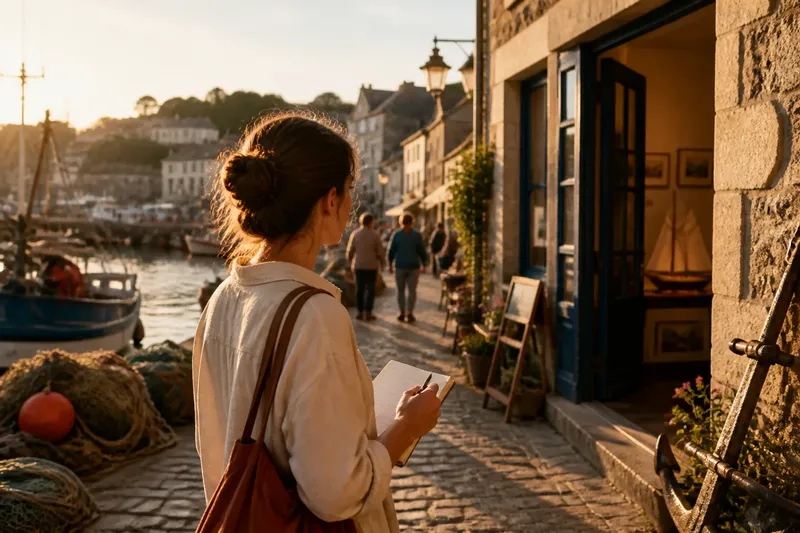
A museum ticket or open afternoon asks you to choose what kind of curiosity to make room for. A timed ticket gives one interest a clear place in the day; an unplanned stretch lets a question change direction as you walk. Decide by noticing what you want to follow, how much uncertainty feels pleasant, and what else the afternoon must hold.
Start with the question you want to follow
Before checking ticket availability or drawing a route, name the question pulling at you. It might be how a city’s harbor shaped its neighborhoods, what local painters noticed in the landscape, or why a particular building has a courtyard. A specific question helps distinguish an attraction you genuinely want from one you feel you are supposed to visit.
Then ask what could satisfy that curiosity. A museum may offer objects, maps, and labels that reward sustained attention. The same question might also lead to a waterfront walk, a neighborhood market, or a small local collection. You do not need to identify every possible answer now; you only need to see whether one place feels especially compelling.
Write the question in a phone note or on the back of a paper map. Keep it short enough to remember while moving. If the wording already points strongly to one collection, a ticket may suit you. If it opens several possible routes, keeping time uncommitted may be more appealing.
Check what the afternoon can reasonably hold
Look at the day around the afternoon, not just the attraction. A meal reservation, a long train ride, a companion’s energy, or an early departure can make a loose plan feel less loose. If there is a fixed obligation later, account for the time needed to reach it rather than imagining the attraction ends at its closing door.
For a ticketed visit, check the entry window, admission conditions, and the museum’s own visitor information before booking. Consider whether you want enough time for one section or a broad visit, and whether arriving at a particular hour would make the rest of the day feel hurried. Requirements vary by venue, so use its current instructions for the decision that depends on them.
For an open afternoon, identify a small, walkable area rather than trying to keep an entire city available. Notice where you can pause indoors, find a drink, or change course if the weather turns. This is not a route to complete; it is a comfortable patch of ground from which to follow a lead.
Choose the amount of certainty that helps
A reserved ticket can be a relief if a particular exhibition or collection has held your attention for days. It gives the afternoon a reason to begin and can make it easier to ignore nearby distractions. The tradeoff is that your curiosity has a destination: a surprising side street may need to wait until afterward.
An open afternoon suits a different mood. You can follow a shop window, a courtyard gate, or the sound of a neighborhood festival without feeling that you are abandoning a plan. In exchange, you may find that a museum is full, closed, or farther away than it looked on a map. Flexibility feels useful when those changes would be part of the story, not a personal failure.
Say you are in a coastal town, curious about its fishing history, and have an afternoon before dinner. If a maritime museum’s collection is the particular thing you came to see, you might reserve a visit and leave the waterfront for afterward. If you are more interested in how the harbor fits into daily life, you might keep the time open, walk toward the docks, and enter a small museum only if it catches your interest. Either choice follows the same curiosity through a different kind of attention.
Make a small commitment without filling every gap
The choice does not have to be all ticket or all spontaneity. If one attraction matters but you also want room to wander, protect the visit and leave the surrounding time loose. Avoid stacking another timed stop immediately before or after it. A little breathing space makes it easier to linger over an unexpected detail rather than watch the clock.
If you choose the open afternoon, give yourself one gentle starting point: a neighborhood, a public square, or the street near a market you want to see. Save one or two places you could duck into, but resist building a chain of appointments. Those possibilities are there to support the walk, not turn it into a hidden itinerary.
It is not worth researching every café, side street, and possible detour in advance. That effort can turn a curious afternoon into a quiet exam where each choice seems like a chance to miss something better. Check the practical details that matter, then let the question you brought with you do some of the guiding.
Let the day answer back
Once you are out, notice whether your attention is settling or reaching elsewhere. At a museum, a single object may lead you to a room you had not planned to see. You can follow that thread without trying to cover the whole building. On an open walk, a closed door or an inviting notice may redirect you; pause long enough to decide whether the new lead genuinely interests you.
If you are traveling with someone, say what kind of afternoon you each want before setting out. One person may value the quiet of a gallery, while the other wants to roam. You might agree on a shared starting point and a time to meet later, or choose a visit that leaves the rest of the day open. A simple conversation can make different preferences easier to accommodate.
Do not judge the choice by how many places you reached. A focused visit can leave you with one vivid question, while an unplanned walk can leave you with a small detail you keep noticing afterward. The useful measure is whether you gave your attention to something you truly wanted to understand.
Questions travelers ask about a museum ticket or open afternoon?
Should I book a museum ticket before arriving?
Book ahead when a specific collection matters to you or when the venue’s entry arrangements make advance planning useful. If your interest is broad and you can adapt, wait until you have a clearer sense of the afternoon.
What if I cannot decide between the two?
Choose one anchor, such as a museum visit, and keep the time around it unplanned. That gives a strong interest its place without requiring you to script the rest of the day.
How can I keep an open afternoon from feeling aimless?
Carry one question and start in an area where walking, pausing, and changing direction are easy. If the question stops feeling interesting, let it go rather than inventing a task to replace it.
Is an open afternoon a good choice when traveling with others?
It can be, if everyone is comfortable with some uncertainty and has a chance to name what they hope to do. Agree on a loose boundary, such as a neighborhood or a later meeting point, so flexibility does not leave anyone feeling stranded.
When you next weigh a museum ticket or open afternoon, begin with the question that brought you to the place, then choose the amount of certainty that lets you attend to it. A ticket can protect a particular fascination; unclaimed time can reveal a better question. Either way, leave one small pocket of attention for what you could not have known to look for before you arrived.